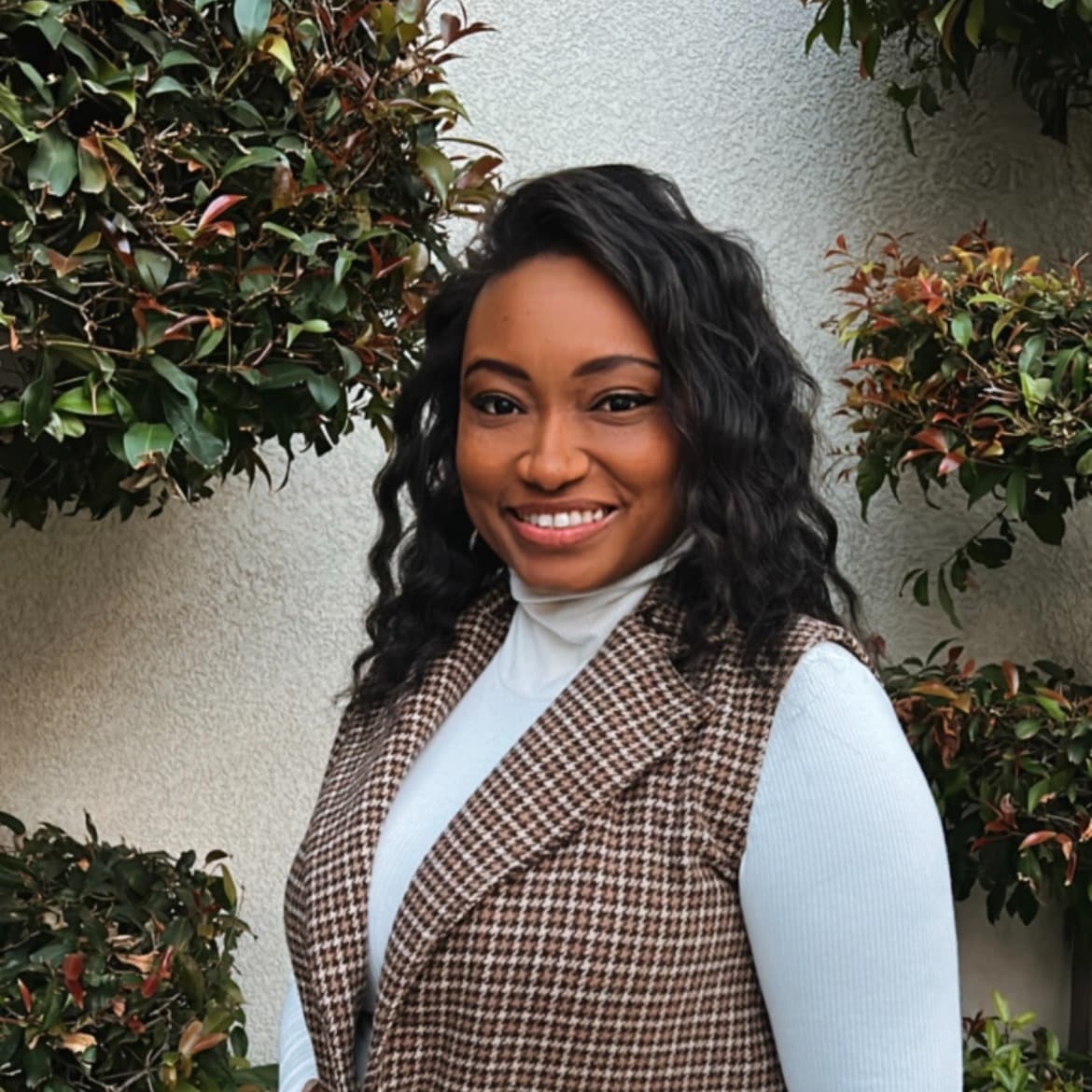
About Me
Laura Ourfalian is a Licensed Clinical Social worker. Mrs. Ourfalian has been serving individuals from diverse backgrounds. As a mental health professional, she recognizes that diversity is the central tenant to successfully serving individuals and families. She strongly believes that it is important to recognize the rights, needs, and strengths that individuals possess, the ability to make their own choices, and the opportunity to change and address their needs.
Mrs. Ourfalian utilizes an eclectic therapy approach to use the most effective methods to address the individual’s needs by carefully cultivating an intentional, individual plan for each individual.
Mrs. Ourfalian has worked with clients experiencing depression, anxiety, anger management, peer relationships, family conflict, grief and loss, and personal growth.
Laura Ourfalian is committed to the wellness of individuals and their families in helping them enhance their ability to cope and promote the decision-making process while facilitating client potential. She believes in promoting a positive sense of self, lessening the experience of worry and anxiety that can inhibit one’s growth and enjoyment of life. Mrs. Ourfalian supports individuals to explore thoughts, and feelings, and discuss life challenges in a safe environment through the use of unconditional positive regard. She aims to empower her clients, assist in exploring strengths, identify goals, and plan to achieve them. Laura Ourfalian will support the development of skills and strategies to reduce and manage life stressors, build on strengths, and attain personal growth.
First and foremost, I want to acknowledge your strength and courage in seeking support. It's a significant step towards healing and growth, and I am honored to be considered as a partner in your journey. My philosophy as a therapist is grounded in the belief that every individual has the inherent capacity to overcome their challenges and to lead a life that is meaningful and fulfilling.
My role is to provide a supportive, non-judgmental space where you can freely express yourself and explore your thoughts and feelings. Together, we will work to uncover the patterns and behaviors that may be holding you back, and develop new, empowering strategies to navigate lifeÕs challenges. It is my commitment to you to be there every step of the way with empathy, understanding, and professional guidance.
Embarking on this therapeutic journey is a testament to your resilience and desire for personal growth. Remember, growth is a process that involves exploration, understanding, and sometimes, facing difficult truths. It's important to be patient with yourself and to recognize the small victories along the way.
As your therapist, I am here to support you in nurturing the growth that you seek. Together, we will explore new perspectives, challenge limiting beliefs, and cultivate the skills necessary for you to thrive. Remember, you are not alone in this journey. With each step forward, know that you are moving towards a brighter, more empowered version of yourself.
Insurance Accepted
Out of PocketKaiser PermanenteIEHP - MediCalAnthem - Bluecross
Don’t see your plan? Call 909-295-5805 — we can verify your benefits.