About Me
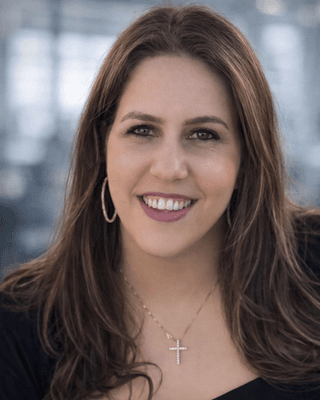
Hello all. My name is Lourdes Araceli Torres. I am a Licensed Clinical Social Worker located in California. I obtained my Master’s Degree in Social Work in 2018 and I have been practicing ever since. I obtained my clinical license in May of 2023. I am bilingual and fluent in both English and Spanish.
I am a passionate helper, and I have been ever since I can remember. I chose social work as my profession because it allows me to help others in a dynamic way, whether it is in individual sessions, group sessions, case management, or even on a much broader scale such as advocating on a political level.
My main goal has always been to ensure that my patients feel heard, recognized, respected and validated. I strive to normalize the need for mental health services in our communities; therefore, my priority is to ensure that my patients always have a positive experience when seeking services and receiving help.
Throughout the years, I developed an enormous passion for working with the homeless individuals in our communities. I have extensive experience in working with those who are currently experiencing or have experienced homelessness in the past. I am also skilled in working with those who have experienced trauma. My most commonly used modalities are Narrative Therapy, Cognitive Behavioral Therapy and Solution Focused Therapy. I am also trained in Dialectical Behavioral Therapy and use DBT as needed.
Fun facts about myself: I am an animal lover. I have 3 dogs (2 French bulldogs and 1 Yorkie) and 2 cats (Calico and Siamese). I love to travel. My favorite vacation has to be between Mexico City and Hawaii.
First and foremost, I want to acknowledge your strength and courage in seeking support. It's a significant step towards healing and growth, and I am honored to be considered as a partner in your journey. My philosophy as a therapist is grounded in the belief that every individual has the inherent capacity to overcome their challenges and to lead a life that is meaningful and fulfilling.
My role is to provide a supportive, non-judgmental space where you can freely express yourself and explore your thoughts and feelings. Together, we will work to uncover the patterns and behaviors that may be holding you back, and develop new, empowering strategies to navigate lifeÕs challenges. It is my commitment to you to be there every step of the way with empathy, understanding, and professional guidance.
Embarking on this therapeutic journey is a testament to your resilience and desire for personal growth. Remember, growth is a process that involves exploration, understanding, and sometimes, facing difficult truths. It's important to be patient with yourself and to recognize the small victories along the way.
As your therapist, I am here to support you in nurturing the growth that you seek. Together, we will explore new perspectives, challenge limiting beliefs, and cultivate the skills necessary for you to thrive. Remember, you are not alone in this journey. With each step forward, know that you are moving towards a brighter, more empowered version of yourself.